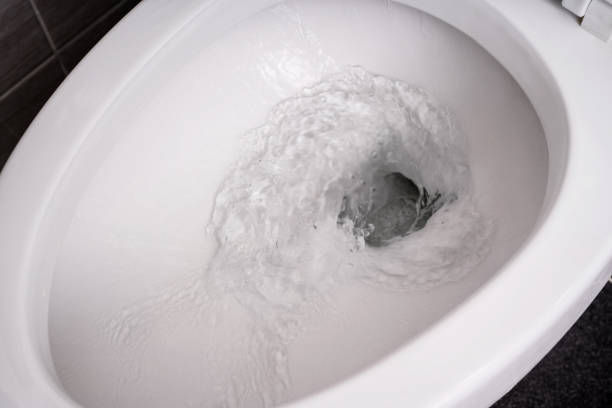
A toilet bowl can sometimes have noticeably more or less water even when nobody has flushed it. While this may seem unusual, several ordinary plumbing issues can cause changes.
The water level inside the bowl depends on drainage, ventilation, evaporation and the toilet’s internal trap. Small changes in any of these areas can affect how much water remains.
In many homes, occasional movement in the water level is harmless. However, repeated or significant changes may indicate a developing plumbing problem that deserves closer attention.
Understanding the possible causes makes it easier to decide whether simple observation is enough or whether professional plumbing assistance may eventually be necessary.
Evaporation is one of the simplest reasons toilet water levels can gradually fall. Warm temperatures, dry indoor air and infrequent bathroom use can increase evaporation from exposed bowl water.
This is particularly noticeable in toilets located inside guest bathrooms, spare bedrooms or properties that remain empty for extended periods. The water slowly disappears without any flushing activity.
During warmer weather, evaporation can happen more quickly because higher temperatures encourage water molecules to escape into surrounding air.
Usually, evaporation causes a gradual reduction rather than a sudden drop. If the level falls dramatically within hours, another plumbing-related explanation is more likely.
Toilet ventilation plays an important role in maintaining balanced air pressure throughout a drainage system. When a vent becomes restricted, pressure can behave differently inside connected pipes.
A partially blocked vent may cause the toilet bowl water to rise, fall or move unexpectedly when other fixtures, such as sinks, baths or showers, discharge water.
You might also notice bubbling or gurgling sounds from the toilet. These noises can suggest that air is struggling to move normally through the plumbing system.
Leaves, debris, nesting materials and other obstructions can sometimes affect external vent pipes. Persistent symptoms should be investigated because ventilation problems can worsen drainage performance.
Every toilet connects to a drainage system designed to carry wastewater away while retaining a specific amount of water inside the bowl.
If a drainpipe becomes partially blocked, wastewater may not move through the system as smoothly as it normally should.
Changes in pressure created by restricted drainage can influence the water sitting inside the toilet trap. The bowl may appear unusually full or noticeably lower.
A partial blockage may not prevent flushing completely, which can make the problem easy to overlook. Gradually changing water levels can sometimes provide an early warning.
Toilets are connected to wider household drainage systems, so activity elsewhere in the property can occasionally affect what happens inside the bowl.
Running a bath, emptying a sink or using a washing machine can move significant volumes of water through shared drainage pipes.
If those pipes have restricted airflow or partial blockages, pressure changes may cause toilet water to shift even though the toilet itself has not been used.
Pay attention to whether water-level changes happen when other appliances or bathroom fixtures are operating. A consistent pattern can provide useful information about the underlying issue.
The curved section of pipe inside or beneath a toilet is commonly called the trap. It holds water and helps prevent unpleasant sewer gases entering the bathroom.
If the toilet or connected drainage system develops unusual pressure conditions, the trap water can sometimes move away from its normal position.
A damaged, poorly installed or incorrectly connected drainage system may also cause irregular water behaviour. These situations are less common but should not be ignored.
When the trap repeatedly loses water without obvious evaporation, professional inspection can help determine whether drainage, ventilation or installation problems are responsible.
Water pressure mainly affects the toilet’s cistern and filling mechanism rather than directly controlling the water level inside the bowl.
However, changes in household water supply can influence how efficiently the cistern refills after flushing or how internal components operate.
A faulty fill valve, worn seal or damaged flush mechanism may allow water to move continuously or intermittently, eventually changing the amount available.
If you hear occasional running water, inspect the cistern carefully. Even a small leak can waste water and indicate that an internal component needs adjustment or replacement.
Heavy rainfall can sometimes expose weaknesses in drainage systems, particularly in properties connected to older or heavily used sewer networks.
When external drainage systems become overloaded, wastewater and air may struggle to move normally through connected pipes.
This can sometimes create unusual pressure that causes toilet water to rise, fall or behave differently from normal household conditions.
If water-level changes repeatedly occur during storms or periods of heavy rainfall, the wider drainage system may deserve inspection rather than focusing solely on the toilet.
A small and occasional change is not necessarily a serious concern, particularly if the toilet works normally and there are no unusual smells, sounds or drainage problems.
However, repeated water-level changes should receive more attention when they occur alongside gurgling, slow drainage, unpleasant odours or water appearing around the toilet.
A sudden rise in bowl water can be particularly concerning if it happens without flushing. This may indicate restricted drainage or pressure problems somewhere within the plumbing system.
Early investigation can prevent a minor plumbing fault from developing into a larger blockage, leak or drainage problem that becomes considerably more disruptive and expensive.
Start by observing the toilet over several hours rather than immediately assuming something has failed. Note whether the water level rises, falls or fluctuates repeatedly.
Check whether nearby sinks, showers, baths or washing machines are being used when the change occurs. This can reveal connections between fixtures and the wider drainage system.
Listen for bubbling, gurgling or occasional running sounds. These noises can provide useful clues, particularly when they appear after another household fixture has discharged water.
If the problem continues, avoid repeatedly pouring large amounts of water into the toilet. Instead, arrange a professional inspection to identify the underlying plumbing issue safely.
Regular plumbing maintenance can help prevent many problems that eventually affect toilet water levels. Keeping drains clear and addressing slow drainage can reduce unnecessary pressure within pipes.
Toilets should also be checked periodically for running water, damaged components and leaks around their base. Small faults are usually easier to address before they become serious.
Bathrooms that are rarely used may benefit from occasional use, particularly during long periods when a property is unoccupied. This helps maintain water in traps and drainage systems.
Ultimately, changing toilet water levels are not always a reason for concern. Understanding the warning signs helps homeowners distinguish normal changes from problems requiring professional attention.

This post has been authored and published by one of our premium contributors, who are experts in their fields. They bring high-quality, well-researched content that adds significant value to our platform.












Plumbing Guide provides practical plumbing tips, helpful guides, maintenance advice, and easy-to-understand information for homeowners and DIY enthusiasts.