It can be surprising when a faucet continues making sounds after you have turned it off. The noise may be a bang, knock, hum, hiss, drip, or vibrating sound.
In many homes, these sounds are linked to changes happening inside the plumbing system rather than the faucet itself. Water continues moving briefly through pipes, valves, and connected fixtures.
When the water flow stops suddenly, pressure inside the pipes can change. This movement may cause pipes to vibrate, fittings to shift slightly, or valves to react audibly.
Occasional noises are not always a serious concern. However, repeated, loud, or worsening sounds can indicate a plumbing problem that deserves closer attention before damage develops.
Water hammer is one of the most common explanations for a loud bang or knocking sound after a faucet is turned off. It happens when moving water stops suddenly.
Water travelling through household pipes has momentum. When a tap closes quickly, that moving water hits the closed valve and creates a pressure wave throughout the plumbing system.
The resulting pressure can make pipes move against framing, walls, flooring, or nearby fittings. This movement often produces a distinctive banging, knocking, or thudding noise.
Water hammer can happen with kitchen taps, bathroom faucets, washing machines, dishwashers, and other fixtures. The problem may become more noticeable when water pressure is particularly high.
Household plumbing operates under changing water pressure, and those changes can sometimes produce sounds after a faucet has been closed. Pressure does not always settle immediately.
If water pressure is higher than normal, shutting a faucet can create stronger movement inside the pipes. This may result in humming, rattling, banging, or vibrating sounds.
Pressure can also change when several fixtures are used at once. For example, flushing a toilet while someone closes a bathroom tap can create noticeable pressure fluctuations.
If unusual noises happen regularly throughout the house, checking the property's water pressure can help identify whether excessive pressure is contributing to the problem.
Pipes are normally secured using clips, brackets, and supports. When these supports become loose, pipes can move more easily as water flows through the plumbing system.
When a faucet is switched off, the sudden change in water movement can make an unsecured pipe shift. The pipe may then strike nearby wood, plasterboard, or another pipe.
This can produce a knocking or tapping sound that appears to come directly from the faucet. In reality, the noise may be travelling through the plumbing from another location.
Loose pipes are particularly noticeable inside walls, ceilings, cupboards, and floors. If accessible pipes visibly move when taps operate, they may need additional support.
Air can sometimes become trapped within household plumbing. When water moves through pipes containing pockets of air, the combination can create unusual sounds.
You might hear bubbling, gurgling, spitting, or intermittent knocking after turning a faucet off. These sounds can vary depending on the location and size of the trapped air pocket.
Air can enter plumbing during maintenance work, repairs, changes to the water supply, or when a system has been drained and refilled.
Small amounts of trapped air may disappear naturally. Persistent noises, however, can suggest that air is repeatedly entering the system or that another plumbing issue is present.
A faucet contains valves and moving components that control water flow. When these parts become worn, damaged, or partially restricted, they can create unusual noises.
A faulty valve may vibrate as water pressure changes. That vibration can continue briefly after the faucet is closed, producing a humming, buzzing, or rattling sound.
Older taps are particularly likely to develop problems with internal washers, cartridges, seals, or valve components. Mineral deposits can also affect how smoothly these parts operate.
If the noise seems to come directly from the faucet rather than the surrounding pipes, examining the tap's internal components may be worthwhile.
Traditional faucets often use washers to create a watertight seal. Over time, these washers can become worn, hardened, damaged, or incorrectly positioned.
A damaged washer may vibrate when water passes through the valve. Even after the faucet has been turned off, residual pressure can cause the component to move briefly.
This may produce a repetitive tapping, chattering, or squeaking sound. In some situations, the noise becomes louder when the handle is turned partially rather than completely open.
Replacing a worn washer is often straightforward for suitable traditional tap designs. However, modern mixer faucets may use cartridges instead, requiring a different repair approach.
High water pressure can place additional stress on household plumbing and make ordinary operating sounds much more noticeable. It can also contribute to water hammer.
When pressure is excessive, faucets, valves, appliances, and pipe connections may experience stronger forces. Closing a fixture can therefore create louder vibrations or sudden noises.
High pressure may also contribute to dripping taps, leaking connections, noisy toilet valves, and premature wear of plumbing components.
If several fixtures throughout the property make unusual noises, rather than only one faucet, the overall water pressure may deserve investigation by a qualified plumber.
Not every noise after shutting off a faucet is caused by water pressure. Temperature changes can also affect household plumbing, particularly where hot water pipes are involved.
When hot water travels through a pipe, the pipe can expand slightly. As it cools, the material contracts again, sometimes creating clicking, ticking, or knocking sounds.
These sounds may occur several minutes after a faucet has been used, making them seem unrelated to the original water flow.
Hot water systems can therefore produce occasional noises even when the faucet itself is functioning normally. The timing and location of the sound can provide useful clues.
Mineral deposits can gradually accumulate inside faucets, valves, aerators, and other plumbing components. This buildup may restrict water flow and change how water passes through openings.
Restricted passages can increase turbulence and create whistling, humming, squealing, or vibrating sounds. The problem may become particularly obvious when the faucet is opened or closed.
Hard water areas can experience mineral buildup more frequently because dissolved minerals can collect on internal surfaces over time.
Cleaning an accessible aerator may solve a simple flow-related noise. More extensive deposits inside valves or cartridges may require professional cleaning or component replacement.
Sound travels surprisingly well through water-filled pipes and building materials. Consequently, the place where you hear a noise is not necessarily where the problem actually exists.
A pipe running behind a wall can transmit vibrations from another fixture. A valve several metres away may therefore sound as though the noise is coming directly from your tap.
Try listening carefully when someone operates different fixtures around the property. Compare what happens when another tap, toilet, washing machine, or appliance starts and stops.
Identifying whether the sound is local or travelling through the plumbing can make troubleshooting considerably easier and may prevent unnecessary faucet repairs.
Occasional, mild sounds are usually less concerning than loud noises that happen frequently. A sudden change in plumbing behaviour can sometimes indicate a developing fault.
Pay particular attention to persistent banging, strong vibration, continuous humming, repeated dripping, visible leaks, or noises accompanied by reduced water flow.
Water hammer can place unnecessary stress on pipework and connections when it occurs frequently. High pressure can similarly contribute to premature wear across the plumbing system.
If noises become louder, happen throughout the property, or occur alongside leaks and pressure problems, contacting a qualified plumber can help identify the underlying cause.
Start by noticing exactly when the noise occurs. Does it happen immediately after closing the faucet, several seconds later, or several minutes afterwards?
Next, determine whether the sound happens with hot water, cold water, or both. This distinction can help identify whether temperature changes or particular plumbing components are involved.
Listen to nearby pipes, cupboards, walls, and ceilings while operating the faucet. Avoid dismantling components unless you are comfortable working safely with household plumbing.
Recording the sound on your phone can also be useful. A plumber may be able to recognise certain noises more easily when hearing the exact pattern.
Using faucets smoothly rather than snapping handles shut can sometimes reduce sudden pressure changes. This is particularly useful in homes where water hammer is already noticeable.
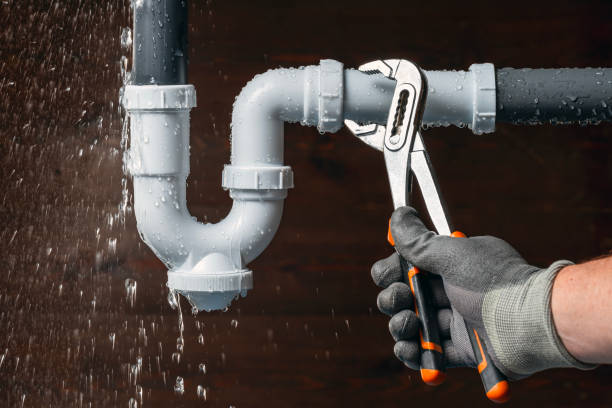
Keeping accessible pipes properly supported can also reduce movement and vibration. Regularly checking visible plumbing beneath sinks may reveal loose fittings, supports, or signs of leakage.
Maintaining faucets and replacing worn internal components can prevent minor issues from becoming more disruptive. Cleaning aerators can also help maintain normal water flow.
For persistent problems, professional inspection is usually the safest approach. Identifying the underlying cause rather than simply masking the sound can protect the plumbing system over time.
A faucet that makes noise after being turned off is not necessarily failing. Water hammer, pressure changes, loose pipes, trapped air, worn components, and temperature changes can all create sounds.
The type of noise, its timing, and its location provide useful clues. A single occasional click may be harmless, while repeated banging or vibration deserves further investigation.
Paying attention to these warning signs can help homeowners recognise plumbing problems before they become expensive. Early attention is particularly valuable when unusual sounds accompany leaks or pressure changes.
If you cannot identify the cause or the noise continues getting worse, a qualified plumbing professional can inspect the system and recommend an appropriate solution.

This post has been authored and published by one of our premium contributors, who are experts in their fields. They bring high-quality, well-researched content that adds significant value to our platform.












Plumbing Guide provides practical plumbing tips, helpful guides, maintenance advice, and easy-to-understand information for homeowners and DIY enthusiasts.