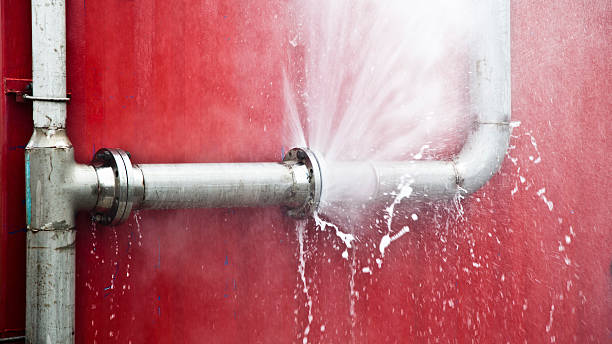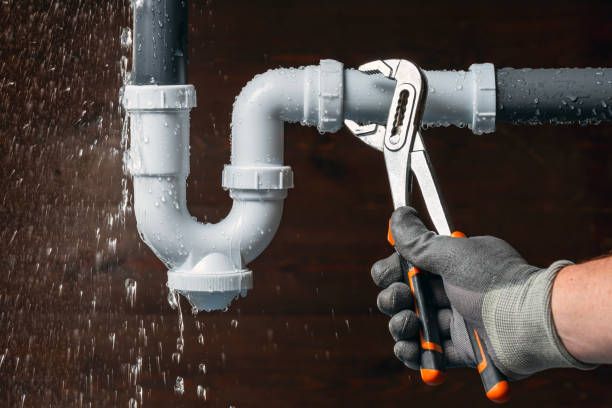
Temperature changes can quietly affect household plumbing, even when everything appears normal. Water and surrounding materials expand or contract, creating pressure that may eventually cause leaks, cracks, or failures.
Understanding these seasonal effects helps homeowners spot warning signs earlier. Simple maintenance, sensible insulation, and appropriate heating can reduce stress on plumbing systems and prevent expensive emergency repairs.
Household plumbing pipes are designed to handle regular water pressure and temperature variations. However, repeated changes can gradually affect their structure, especially when temperatures move between extreme conditions.
Metal pipes generally expand when heated and contract when cooled. Plastic pipes also respond to temperature changes, although their movement and resistance can differ depending on material, age, and installation.
These movements may seem minor, but repeated expansion and contraction can place stress on joints, connections, seals, and fittings. Over time, weakened areas may begin developing small leaks.
Older plumbing systems can be particularly vulnerable because materials naturally deteriorate. Corrosion, worn seals, mineral deposits, and previous repairs may make pipes less capable of handling temperature-related movement.
Cold weather can create serious plumbing problems because water expands as it freezes. If water inside a pipe freezes completely, pressure can build between the blockage and closed taps.
This pressure may become strong enough to split or rupture vulnerable sections. Pipes located outside, inside garages, lofts, basements, or poorly insulated walls are especially exposed during severe winter weather.
Even when temperatures remain above freezing indoors, unheated areas can become cold enough to affect vulnerable plumbing. Small temperature differences can therefore create problems homeowners may overlook.
A burst pipe can release significant amounts of water once temperatures rise and the blockage melts. Early preparation is therefore important before particularly cold weather reaches the property.
When plumbing pipes become warmer, their materials generally expand slightly. When temperatures fall, they contract again. Repeated movement can gradually place stress on pipes and their connecting components.
The greatest concern is often not the pipe itself but the joints connecting different sections. These areas contain fittings and seals that may weaken after repeated movement.
Noisy plumbing can sometimes indicate temperature-related movement. Ticking, knocking, or creaking sounds may occur when pipes shift against brackets, walls, floors, or other nearby building materials.
While occasional noises are not necessarily serious, persistent sounds combined with damp patches or pressure changes deserve attention. A professional inspection can identify movement-related problems before they worsen.
Hot weather can also influence plumbing systems, particularly where pipes are exposed to direct sunlight or unusually high surrounding temperatures. Materials may expand more noticeably under sustained heat.
Very warm water can place additional stress on certain components, particularly older plastic pipes, seals, washers, and flexible connections. Heat may gradually reduce their durability when exposure continues.
Outdoor plumbing can experience greater temperature fluctuations because exposed pipes heat rapidly during sunny periods and cool quickly after sunset. This repeated cycle can increase material movement over time.
Hot weather may also increase household water consumption. Longer showers, frequent garden watering, and other activities can place additional demand on plumbing systems already experiencing temperature-related changes.
Freezing conditions become dangerous when water trapped inside plumbing begins turning into ice. Because ice occupies more space than liquid water, pressure can rise inside restricted sections.
Pipes do not always burst at the exact location where ice forms. Pressure may build between the frozen section and another closed section, weakening a vulnerable point elsewhere.
The risk increases when pipes are exposed to cold air or lack sufficient insulation. Small gaps around walls, lofts, doors, or external structures can allow freezing temperatures inside.
Keeping vulnerable areas reasonably warm can reduce freezing risks. Opening cupboard doors around internal pipework and maintaining gentle background heating may help during exceptionally cold conditions.
Pipe insulation provides an additional layer of protection against sudden temperature changes. It slows heat loss during cold periods and helps reduce rapid temperature fluctuations around vulnerable plumbing.
Insulating exposed pipes is particularly useful in lofts, garages, outbuildings, utility areas, and other locations where indoor heating may be limited during winter months.
Insulation cannot guarantee that pipes will never freeze, particularly during prolonged extreme weather. However, properly fitted materials can significantly reduce exposure and give plumbing greater protection.
Homeowners should also check insulation periodically. Damaged, loose, compressed, or missing sections may leave certain pipes exposed, creating weak points that become vulnerable during cold weather.
Unusual plumbing noises can be one early warning sign. Repeated knocking, tapping, ticking, or creaking may indicate that pipes are moving as temperatures or water conditions change.
Damp areas, unexplained water marks, dripping connections, or sudden changes in water pressure can also indicate developing plumbing problems. These signs should not simply be ignored.
During colder months, homeowners should check vulnerable areas for frost, condensation, or unusually cold surfaces. Early inspection can help identify potential freezing problems before pipes rupture.
A sudden increase in water usage without an obvious explanation may also deserve investigation. Hidden leaks can waste water continuously and sometimes develop after temperature-related pipe damage.
Preparing plumbing before seasonal temperature changes is generally easier and cheaper than dealing with emergency repairs. Checking insulation, exposed pipework, taps, and outdoor connections can identify vulnerable areas.
Outdoor taps should receive particular attention before freezing weather arrives. Disconnecting hoses and protecting exposed fittings can help prevent trapped water from freezing inside connected pipework.
During cold spells, keeping indoor temperatures reasonably consistent can help protect plumbing. Avoiding prolonged periods without heating is particularly important where pipes run through colder parts of a property.
Regular maintenance throughout the year also matters. Small leaks, damaged insulation, loose fittings, and ageing components should be addressed promptly rather than waiting for extreme weather to expose weaknesses.
Some temperature-related plumbing problems can be prevented through basic maintenance, but serious leaks, burst pipes, or persistent pressure issues require professional attention to avoid additional property damage.
A qualified plumber can inspect vulnerable pipework, identify damaged fittings, and determine whether repeated temperature movement has affected connections or sections hidden behind walls and flooring.
Professional advice can also be valuable for older properties. Existing plumbing may contain ageing materials or installation weaknesses that make seasonal temperature changes more difficult for the system to tolerate.
Acting quickly after discovering a leak is especially important. Turning off the main water supply where appropriate can limit damage while professional assistance is arranged.
Temperature changes are a normal part of household plumbing, but extreme or repeated fluctuations can gradually create problems. Understanding how pipes respond makes prevention much easier for homeowners.
Cold weather presents particular risks because freezing water can create damaging pressure inside pipes. Hot weather can also cause expansion and place additional stress on vulnerable connections.
Good insulation, sensible heating, regular inspections, and prompt repairs can help plumbing cope with seasonal conditions. These simple measures may also reduce water waste and unexpected repair costs.
Ultimately, protecting household plumbing is about noticing small changes before they become major problems. Seasonal preparation gives pipes better protection and helps maintain a reliable system throughout the year.

This post has been authored and published by one of our premium contributors, who are experts in their fields. They bring high-quality, well-researched content that adds significant value to our platform.









Plumbing Guide provides practical plumbing tips, helpful guides, maintenance advice, and easy-to-understand information for homeowners and DIY enthusiasts.