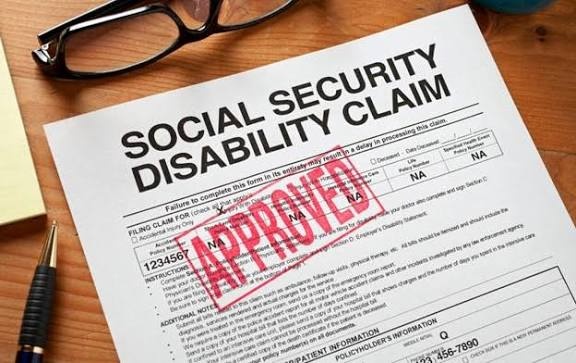
A Social Security disability denial can be difficult to understand, especially after a claimant has already completed an application, reconsideration, and hearing. An unfavorable decision does not necessarily mean every review option has ended. The Social Security Administration (SSA) provides several stages of appeal, and some cases may eventually reach federal court.
Understanding how the appeals process works can help claimants recognize important deadlines, evaluate the written decision, and determine what issues may need further review.
A federal court case generally comes after the claimant has completed the applicable administrative review process. After an Administrative Law Judge issues a decision, a claimant can generally request review by the Appeals Council.
The Appeals Council may deny the request, issue its own decision, or send the case back to an Administrative Law Judge for further proceedings. If the Appeals Council denies review or issues an unfavorable decision, the claimant may generally seek judicial review in a U.S. district court.
SSA identifies federal district court as the final level in its administrative appeals process.
A Social Security disability lawsuit is different from the administrative hearing that takes place before an Administrative Law Judge. Federal court review focuses on the administrative record and whether the agency's decision was legally supportable under the applicable standards.
A federal judge does not typically conduct a new disability hearing from the beginning. Instead, the court reviews the case based on the record developed during the administrative process.
Potential issues may include:
The specific issues depend on the facts and procedural history of the claim.
The written ALJ decision is often the starting point for identifying potential errors. It explains the findings made by the judge and describes how medical, vocational, and other evidence was evaluated.
Claimants should examine whether the decision accurately addresses their limitations and evidence. For example, a decision may discuss a claimant's residual functional capacity and determine whether the person can perform past relevant work or adjust to other occupations.
A disagreement with the outcome alone may not be enough to establish a successful federal court claim. The focus is generally on whether the agency followed applicable law and whether the decision is adequately supported by the administrative record.
Before seeking federal judicial review, claimants generally must complete the applicable Appeals Council process. SSA explains that a claimant can request Appeals Council review when they disagree with an ALJ's decision.
The request should identify why the claimant believes the decision was incorrect or should be reviewed. Depending on the circumstances, the Appeals Council may consider whether the ALJ made an error of law, whether the findings are supported by substantial evidence, or whether other circumstances justify review.
This stage can be important because issues raised during administrative review may affect how a later federal court case is presented.
Deadlines are particularly important after the Appeals Council takes action. SSA generally states that a claimant has 60 days after receiving notice of the Appeals Council's action to file a civil action in federal district court. The agency generally presumes the notice was received five days after its date unless there is evidence to the contrary.
Because exceptions and procedural circumstances can affect deadlines, claimants should carefully review the notice they receive. Waiting until the deadline is close can create unnecessary complications.
Anyone considering judicial review should promptly determine the applicable deadline and understand the requirements for filing in the appropriate federal district court.
Medical evidence is central to Social Security disability claims. However, federal court review is not simply an opportunity to submit an entirely new case.
The administrative record can include medical records, treatment notes, functional assessments, claimant statements, work history, and vocational evidence. Reviewing that record can help identify whether the ALJ properly addressed significant evidence.
A claimant may also need to examine inconsistencies between the evidence and the findings in the decision. For example, an ALJ may describe a claimant as capable of certain activities while overlooking documented limitations affecting the ability to sustain those activities in a workplace.
Many disability cases ultimately involve questions about a person's ability to perform work. When a claimant cannot perform past relevant work, SSA may consider whether the person can adjust to other work.
Vocational experts may provide testimony at disability hearings concerning occupational requirements and the availability of work for individuals with particular limitations. SSA recognizes vocational experts as sources of testimony during hearings.
For this reason, reviewing vocational evidence can be important when evaluating an unfavorable decision. Issues involving hypothetical questions, residual functional capacity, transferable skills, occupational requirements, or the classification of past work may warrant careful examination.
A federal court may affirm the agency's decision, reverse the decision in appropriate circumstances, or remand the case for further proceedings. A remand generally sends the matter back to the agency for additional action rather than automatically awarding benefits.
The result depends on the legal and factual issues presented. A successful court challenge therefore does not always mean that benefits begin immediately.
Understanding the possible outcomes helps claimants maintain realistic expectations throughout the judicial process.
Anyone considering further appeal should organize the complete record and focus on the specific reasons for the unfavorable decision. Helpful preparation may include:
A structured review can make it easier to distinguish genuine legal or evidentiary issues from general disagreement with the decision.
A Social Security disability lawsuit can be an important avenue for claimants who believe an unfavorable administrative decision contains a legal or evidentiary error. However, federal court review has specific procedures, deadlines, and standards that differ from the initial disability application and hearing process.
Claimants should begin by understanding the written decision, identifying the issues that may support further review, and acting within the applicable deadlines. Careful attention to medical evidence, vocational findings, procedural requirements, and the administrative record can provide a stronger foundation for evaluating the next step.

This post has been authored and published by one of our premium contributors, who are experts in their fields. They bring high-quality, well-researched content that adds significant value to our platform.










Plumbing Guide provides practical plumbing tips, helpful guides, maintenance advice, and easy-to-understand information for homeowners and DIY enthusiasts.